Google and Tech Giants Are Changing the Way the World Learns

Machines taught by Google change the way learning happens across countries. Tech builders reshape education routines far beyond Silicon Valley. Tools shaped with smart algorithms adjust to student habits quietly. Knowledge moves differently now because of software that adapts on its own. Classrooms evolve without announcements or fanfare. New patterns emerge where digital minds guide understanding slowly. Learning bends toward systems trained on massive examples
Something changes because smart machines arrive. When living alters, so does how people learn. Schools remain standing, though their purpose twists slowly. Companies like Google nudge things forward, quietly. Influence grows not by force but presence, tool after tool. Now, understanding flows another way. Classrooms used to hold it – today, screens carry it, set off by lines of code.
Now things move at their own pace, not all at once. Because of new ways to connect, fitting school into real life gets easier. Little by little, learning starts to feel more like you. Doors swing wider, mainly for anyone who never got inside before.
Opening Doors to Global Learning
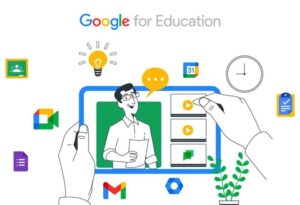
Beyond four walls, class meets code as devices lead lessons. Far-off students find paths opening, since translating tools plus responsive guides soften old barriers. Words stuck in one tongue? Not for long – live aids shaped by machine logic step in quietly. What was rare now shows up without warning, doing its job without noise.
These days, online platforms from major tech companies offer learning materials in lots of languages – often at low or no cost. Thanks to automatic translation, picking up new subjects in different tongues feels smoother than before. When classrooms miss essential supplies, digital lessons pop up right on devices instead.
Out here, learning no longer waits on where someone was born or how far they live from a school. Bit by bit, education stretches beyond old lines, bringing different perspectives into view.
Learning That Fits How You Learn
Not everyone learns at once; some take longer while classrooms pretend it does not matter. Today machines help by changing how material appears, based on pace, trouble zones, gaps, what you already know. Patterns slip past humans but algorithms spot them. Learning bends now, shaped by data most never see.
Not about keeping tabs on learners or counting their steps. Help arrives right when it’s due, just as fresh challenges emerge after readiness clicks. What counts is moving forward, not speeding through. Strength builds slowly, step by step, once results ease out stress.
Finding ease in learning lifts the weight of stress. Far-off things sometimes drift closer again – education slips into days, tucked between work hours and putting kids to bed.teachers focusing on essential parts of learningWhat if fear shapes how we see AI replacing educators? Yet classrooms thrive on human warmth – machines lack that pulse. Connection slips in softly, built slow, hand to hand, never code to soul.
Seconds replace hours, thanks to machines handling grading. Watching student progress? Once slow, now smooth. Lessons get shaped quickly, not painstakingly. Hidden in hallways and classrooms, systems run quiet. Time reappears for educators – no fanfare, just space. That time feeds talks, nods, real presence. Where checklists ruled, now faces respond. Now here’s where things feel different – learning keeps its heartbeat, no matter how many gadgets step in.
Learning for what comes next
Learning takes a different form when technology companies get involved in the education sector. Devices are not the only things that change; expectations also change. As the world of work changes gradually, the focus in schools is on the ability to use machines effortlessly, to approach issues with care, to express ideas confidently, but to remain flexible to change. Technology is not the main focus, but the way learning is done is guided by the invention curve. Where innovation goes, learning follows.
Change happens suddenly, but learning finds its way to the quiet moments. School is not the end; it is more like the beginning, but one that bends to the changes happening around it.
What Needs Focus
Something feels off when machines enter classrooms. Where privacy ought to stand firm, thin lines begin to show, meanwhile some kids find doors closed before them – reliance grows quiet and unseen. Without use, thinking weakens, still these pieces demand notice. What seems like advancement may carry separation, except when kindness guides how tools come near.
Starting off, fairness in learning relies on straightforward rules together with careful choices about using artificial intelligence. How well those ideas work in real settings shapes whether everyone gains equally from them.
A Human Centered Approach to Learning
Learning thrives on curiosity – it always did. Gadgets built by outfits such as Google lend a hand, certainly – still go nowhere without that inner push people carry.
A door swings open where minds steer machinesNext comes what grows in classrooms, built on where we place our focus. With purpose behind them, learning aids travel farther. Equal results begin in choices taken today. Slowness belongs more than speed within education tech. When computers hesitate like humans do, insight gets space to rise. Waiting quietly inside helps online spaces seem real. When speed fades, what matters most becomes clear.