


Back then, I really believed picking a school was all about the rankings. I’d sit there surrounded by spreadsheets, brochures, and endless comparison charts. If you’re a parent in 2026, you probably get it—I must’ve searched “top international schools” a hundred times. Every site claimed they offered the best. The campuses looked amazing. Each school promised a world-class education.
But somewhere between reading about IB scores and university placements, I realized something important: I wasn’t just choosing a school. I was choosing an environment where my child would grow up.
That realization changed everything.
Beyond Academics: Watching My Child Grow
Back then, I really believed picking a school was all about the rankings. I’d sit there surrounded by spreadsheets, brochures, and endless comparison charts. If you’re a parent in 2026, you probably get it—I must’ve searched “top international schools” a hundred times. Every site claimed they offered the best. The campuses looked amazing. Each school promised a world-class education. That part is reassuring.
But when we visited campuses, I paid attention to something else. How did students speak to teachers? Did they look confident? Curious? Comfortable asking questions?
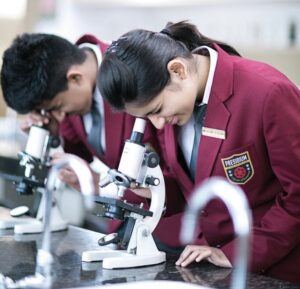
In the schools that truly stood out, classrooms felt alive. Students were debating ideas, collaborating on projects, and presenting their thoughts with surprising maturity. It wasn’t just about memorizing facts. It was about learning how to think.
And that felt far more important.
A World Inside One Campus
One of the most beautiful things about international schools is diversity. In a single classroom, you might find students from ten or twenty different countries. Different languages. Different traditions. Different perspectives.
As a parent, I began to see how powerful that could be. My child wouldn’t just learn about the world from textbooks—she would live it every day. She would celebrate holidays from cultures different from her own. She would learn to listen, to respect, to understand.
In a time when the world often feels divided, that kind of exposure feels invaluable.
Preparing for a Future We Can’t Fully Predict
Let’s be real, the world our kids are growing up in barely resembles the one we remember. AI is everywhere, everything’s digital, and people are constantly on the move. This isn’t some far-off future—it’s just normal life now.
The top international schools in 2026 totally understand this. They don’t treat technology as an afterthought; it’s part of how kids learn every single day. Students dive into real-world problems, work together across all kinds of subjects, and come away with skills that actually matter. They learn how to share their ideas, think creatively, and deal with things when they don’t go as planned.
As a parent, I’m not just hoping my daughter lands a spot at some top university. I want her to step out into the world ready for anything—capable, flexible, and sure of herself, no matter where she goes.

Well-Being Matters More Than Ever
You know what really caught me off guard while we were looking at schools? Just how seriously top schools take mental health and well-being now. Counseling, manageable workloads, all kinds of clubs and activities—none of that’s just nice to have anymore. It’s right at the heart of what they offer.
That hits home for me.
I don’t see the point in success if you’re not actually happy.
The Final Realization
The best international school isn’t just the one with the fanciest name or the highest ranking. It’s the one that actually fits my child—who they are, what they love, what they want to become. What really matters is whether a school helps kids grow into thoughtful, caring, capable people. That’s what I want for my child, plain and simple. That’s the future I’m looking for.

