

Let’s be real—students today are surrounded by instant feedback, flashy apps, and nonstop digital noise. Those long lectures and heavy textbooks? They just don’t stand a chance. That’s why so many teachers are bringing gamification into the classroom. They want to make learning feel fresh and grab students’ attention.
Gamification Meaning
So what’s gamification? It’s when teachers add game-like stuff—think points, challenges, progress bars, rewards—to everyday lessons. It’s not about turning everything into a video game. The real goal is to borrow what makes games so addictive and use that spark to help students learn more and actually enjoy it.
Mihaly Csikszentmihalyi, a Hungarian-American positive psychologist, introduced the concept of enjoyment in his Flow Theory in 1975. Positive psychology is a movement in psychology focused on increasing our understanding and general well-being, not just in child and adult development but also in education. Flow, on the other hand, refers to the psychological state that occurs while performing an activity with concentration, vitality, involvement, and enjoyment.
Why Does Gamification Actually Work?
If you look at how our brains work, gamification just makes sense. Self-determination theory backs this up—it’s all about people sticking with things when they feel in charge, capable, and connected. With game-based learning, students set their own goals, check how they’re doing, and get feedback right away. Suddenly, they feel like they’re making progress. That little boost from accomplishing something? It keeps them moving forward.
Games also turn big, intimidating challenges into smaller, doable steps. Instead of stressing over one giant test, students go after mini-goals. It’s less overwhelming, so they’re more likely to keep trying, push through setbacks, and actually care about what they’re learning.
How Teachers Are Using Gamification Right Now
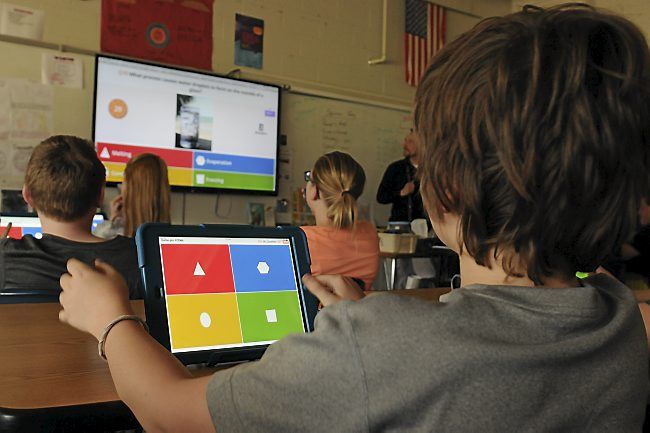
Gamification pops up all over the place now—elementary schools, college courses, you name it. Apps like Duolingo, Kahoot!, and Quizizz turn language drills and class quizzes into something you actually want to do. Professors use badges, leaderboards, or create simulations to pull students in, especially when classes happen online or mix in-person with virtual work.
But honestly, you don’t need a bunch of fancy apps to make learning feel like a game. Some teachers just call projects “missions,” set up team challenges, or throw in a bit of role-play. When students jump into these activities, they talk more, work together, and end up learning a whole lot more.
What to Watch Out For
Gamification has its drawbacks. When everything is just about collecting points, students start chasing prizes instead of focusing on what they should be learning. Too much competition can make some kids feel stressed or isolated, which no one wants. Teachers must stay focused on what really matters—helping students develop, building teamwork, and providing truly helpful feedback, not just celebrating whoever gets the highest score.
And don’t forget about access. Some schools do not have the same technology as other schools, and not every student can access the internet easily. If the goal is to include everyone, you have to make it fair so that no one is left behind.

What’s Next?
Gamification’s just getting started. With things like VR, AI, and immersive simulations taking off, learning—especially in hands-on areas like medicine or engineering—could look completely different soon. But let’s be real, the latest tech isn’t the whole story. What really makes a difference is how teachers build their lessons and back up their students. When they put real thought into it, gamification doesn’t just dress up old-school teaching—it actually makes learning feel more personal and way more engaging.
Conclusion
Gamification isn’t just a trend—it’s a smart way to face today’s learning challenges head-on. By inserting play elements into lessons, teachers can increase engagement, deepen learning, and help students build important skills in school and beyond. It’s not about replacing old methods, but about making education work better for everyone.

